
Make unusual areas visible across the vehicle.
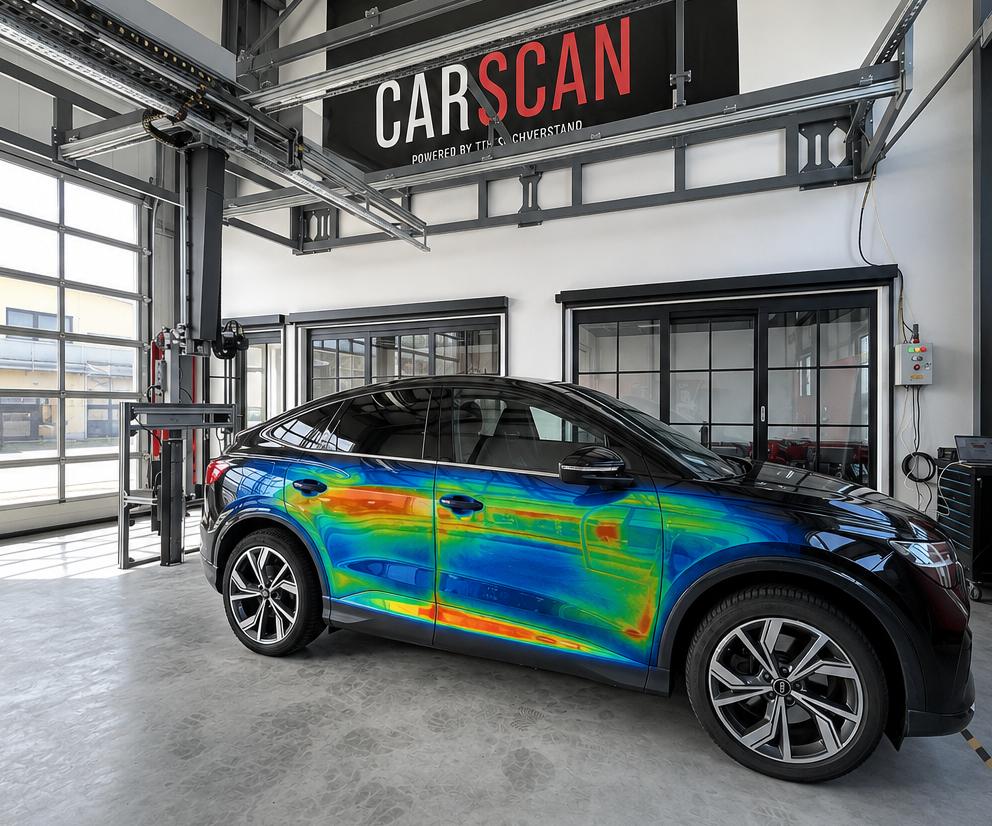
CarScan / Active thermography
See more.
Decide better.
Contact-free. Non-destructive. Image-based.
CarScan adds an image-based perspective on paint build-up, bodywork and components to an expert vehicle assessment.
Download English brochure (PDF)THETASCAN GET THE TRUTH
Contact-freeNon-destructiveImage-basedReproducibleFor vehicles and components
The benefit / CarScan
More clarity when you need to decide.
CarScan adds an image-based view of paint build-up, bodywork and components to an expert vehicle assessment. It can provide indications of what may be hidden beneath an unremarkable surface.
- whether the bodywork has been repaired with filler
- whether the vehicle has received additional paint or clear coat
- whether the vehicle has been damaged by hail
- whether damaged body panels have been replaced or repaired
- whether the bodywork has been welded
- whether wheels or bodywork attachments have been painted or repaired
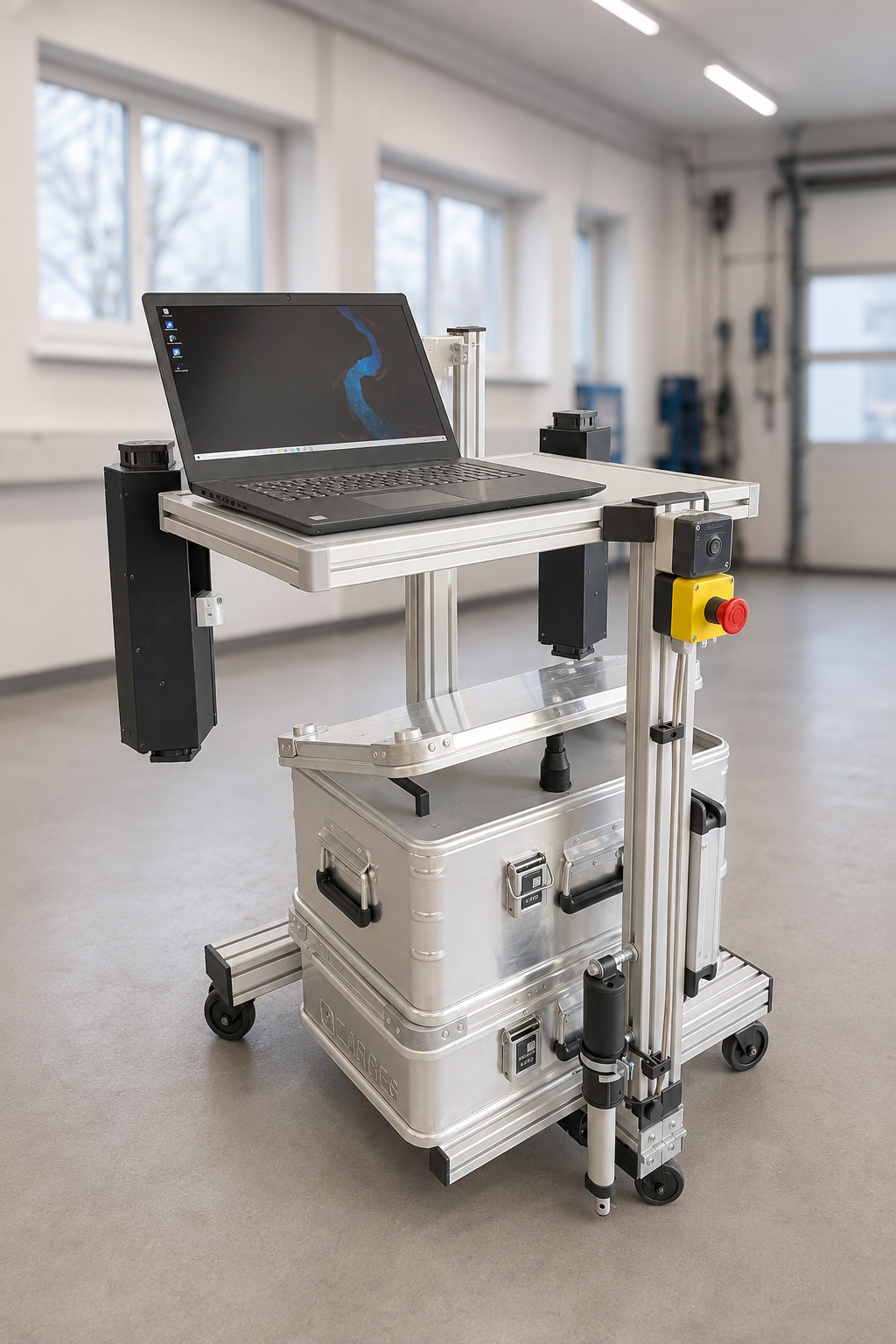
IN PRACTICEECO SCANNER
Make images and findings easy to understand.
Discuss findings with confidence.
The method / CarScan
Look beneath the surface.
Active thermography turns differences in a surface's thermal response into images. The thermographic view indicates where a closer look is worthwhile.
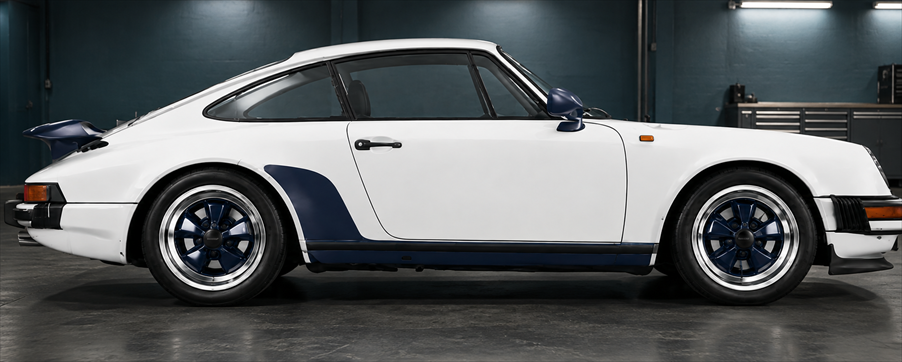
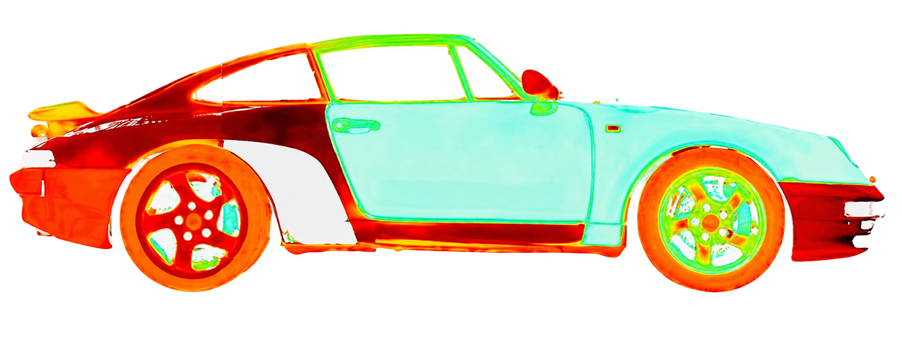
CLASSIC / SCAN 02ACTIVE THERMOGRAPHY
INTACTTHERMOGRAPHY
visible surface>image data
Important: CarScan is a contact-free, image-based addition to an expert inspection. The results are indications, not an independent statement about accident history, repair cause or roadworthiness.
Stimulate
Light and heat stimulate the surface.
Capture
The IR camera records temperature profiles.
Evaluate
Image data is processed in a structured way.
Classify
Indications are assessed in context.
The process
From vehicle to clear image documentation.
The scope is tailored to the vehicle, the surface and the inspection objective.
01Clarify the inspection objectiveWhich areas and questions matter most?
02Capture the vehicleDocument vehicle data and relevant views.
03Scan the agreed areasExamine the agreed vehicle areas in a targeted way.
04Discuss the resultReview the images and findings together.
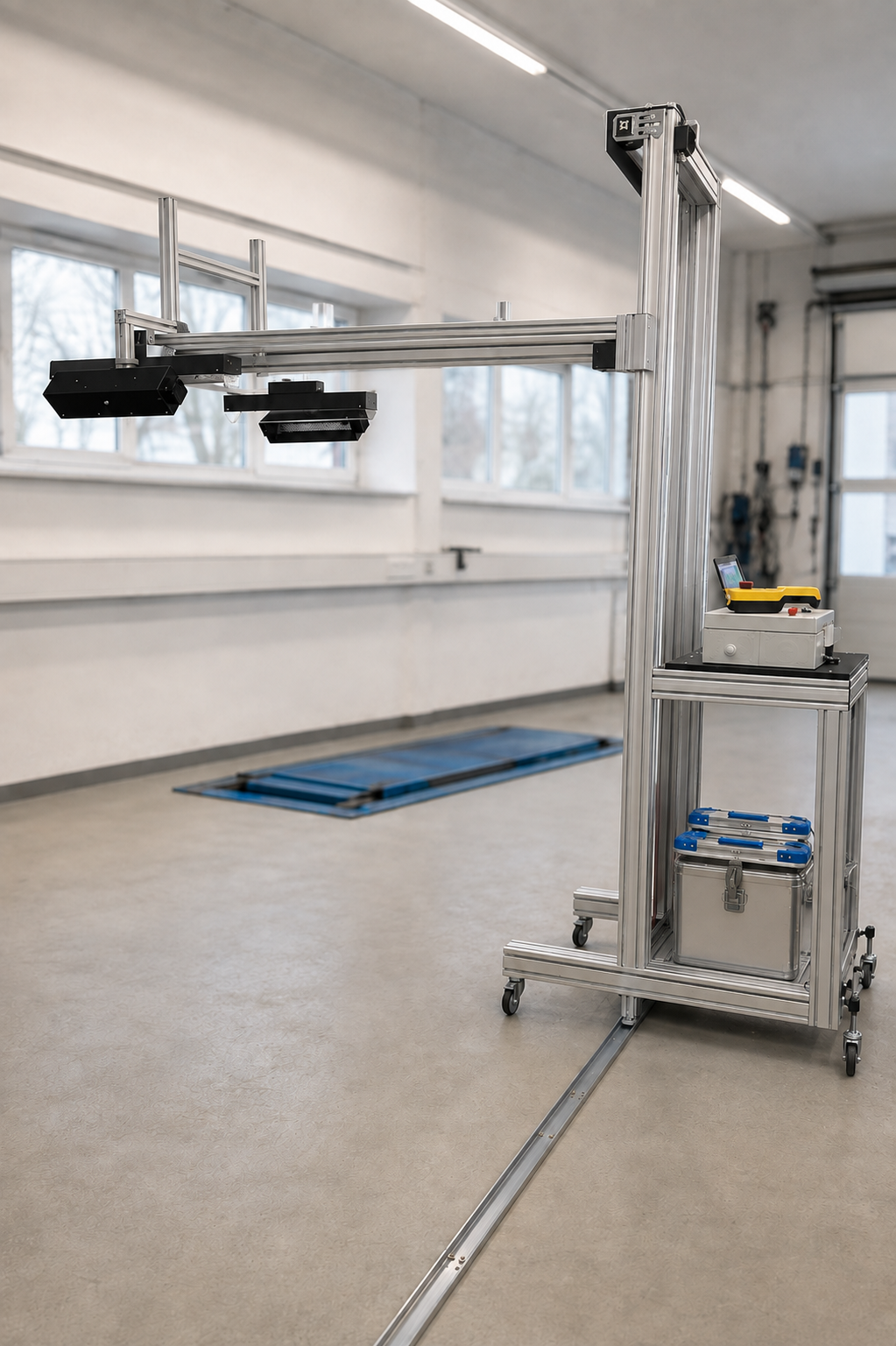
IN PRACTICEECO SYSTEM WITH MOTOR AND 6 kJ FLASH ENERGY
Video material: our three scanners in everyday use
Inspection tasks / CarScan
When first impressions are not enough.
CarScan is especially useful when a surface looks unremarkable but questions remain about its layer structure or history.
Has an area been repainted?
Are there indications of filler or repair material?
Was a component repaired or replaced?
Do bodywork areas have different layer structures?
Are there irregularities beneath a vehicle wrap?
Which areas should be examined in addition?
Thermographic indications are always classified together with vehicle data, measurement conditions and further expert inspection.
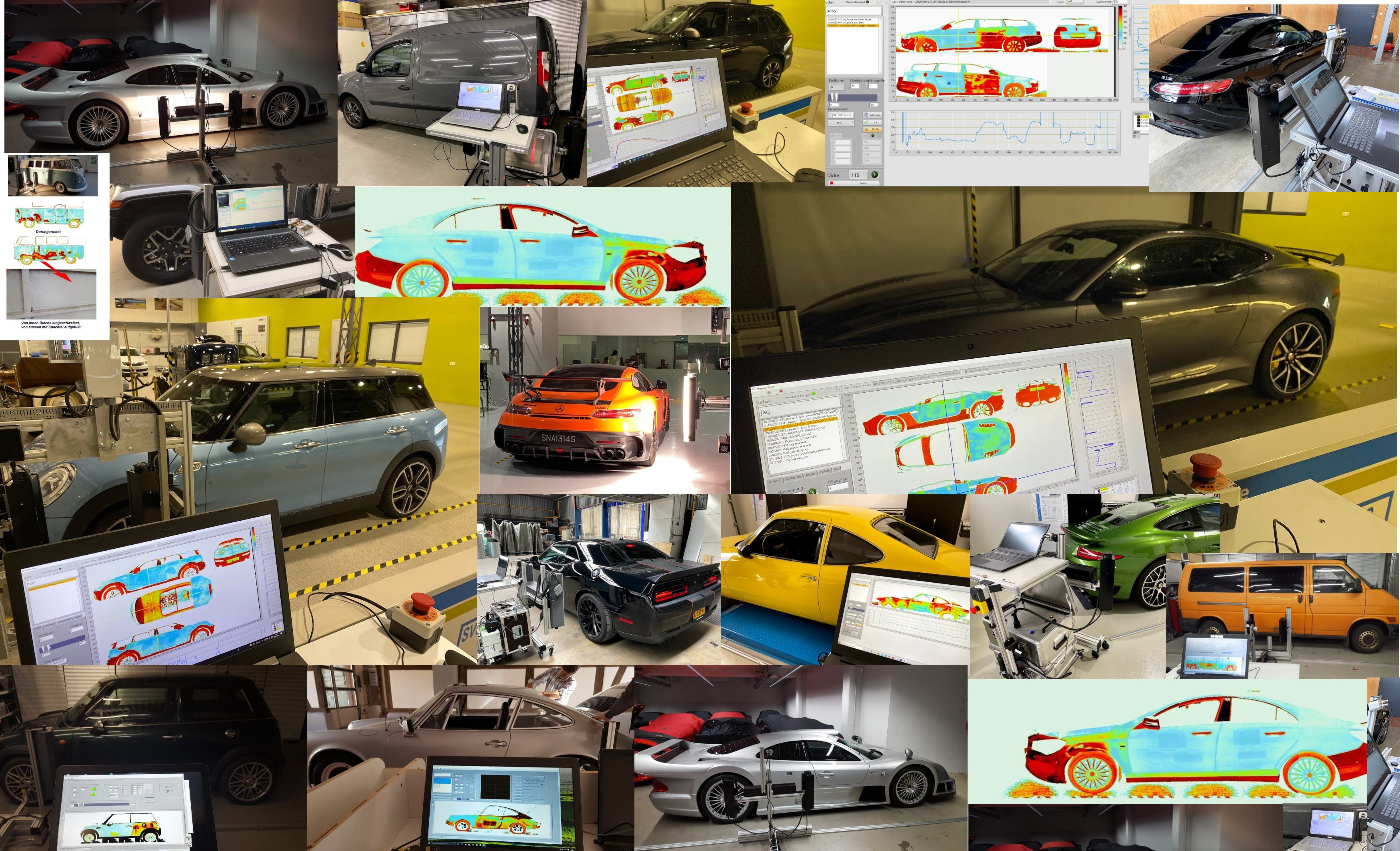
Systems
Three scanners. One shared evaluation principle.
Different scanner configurations are used depending on the vehicle, inspection objective and desired coverage.
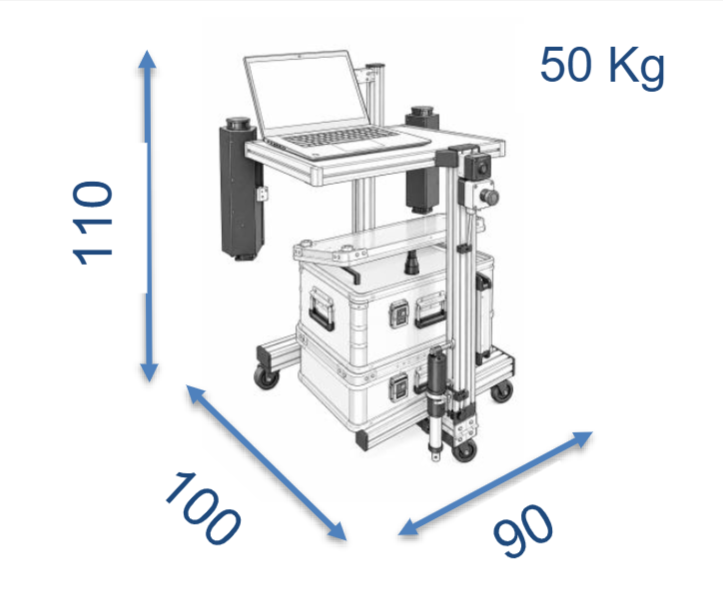
01
ECO - Scanner
The entry-level unit scans the vehicle sides or individual areas. The roof and bonnet cannot be scanned. It can be motorised or non-motorised, with either two 8 kJ flash lamps or one 6 kJ flash lamp. It is guided freely along the vehicle. A full scan takes about 20 minutes.
Video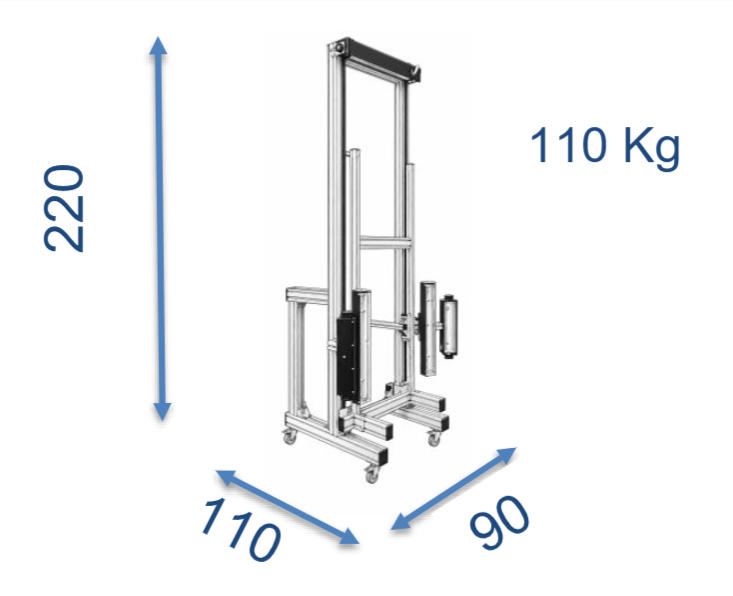
02
ECO - PRO Scanner
Unlike the ECO scanner, this unit also has a horizontal module for scanning the bonnet and roof. It runs on an L-shaped rail. The vehicle must be turned to scan the other side. A short setup change allows horizontal scanning. With its partial automation, a full scan also takes about 20 minutes.
Video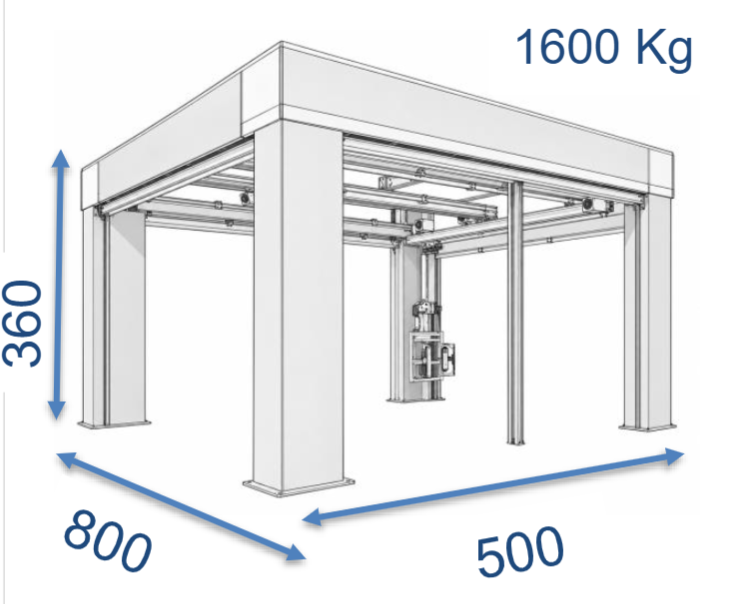
03
3D - Scanner
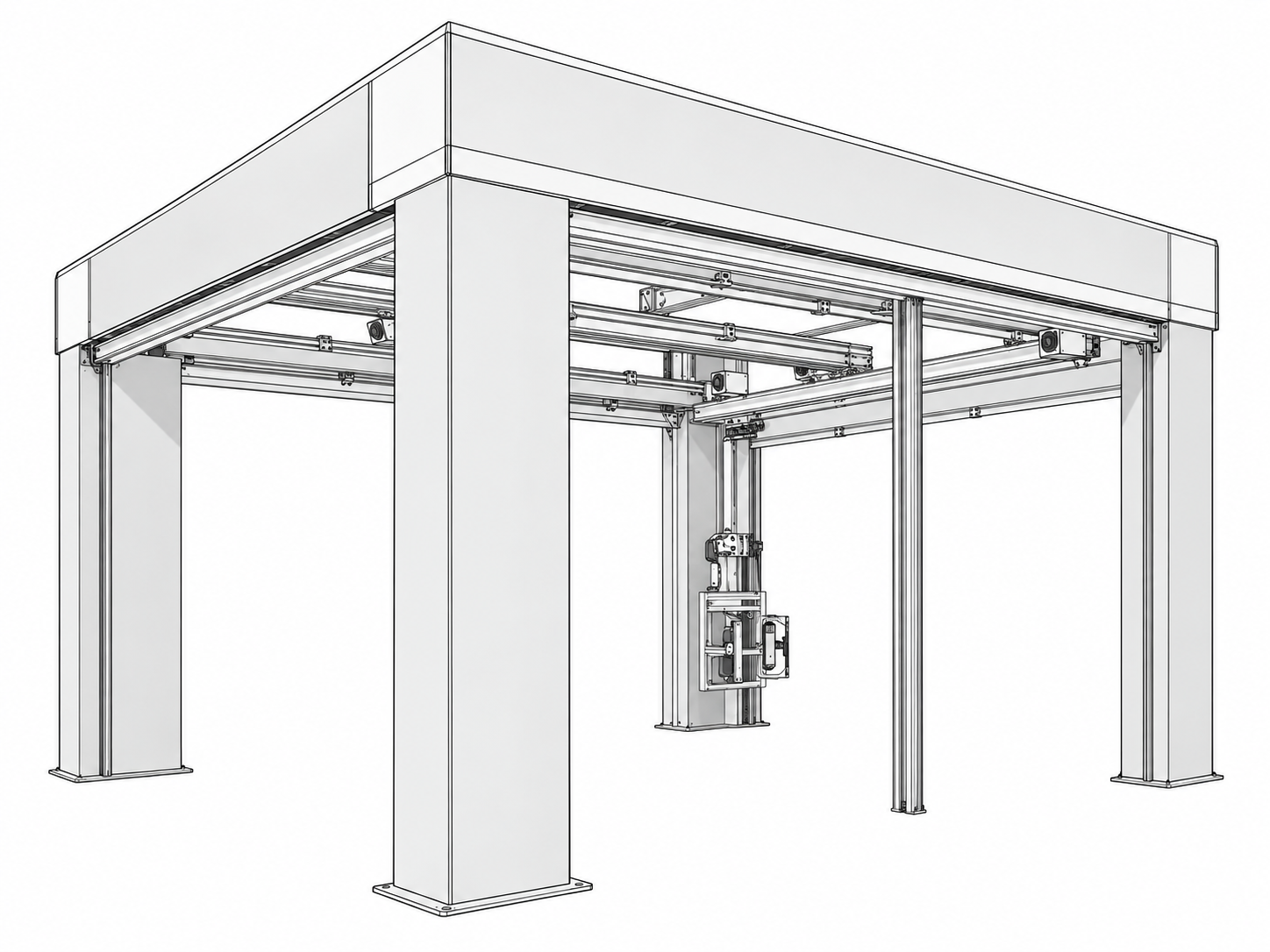
The vehicle is scanned fully automatically in about seven minutes. First, the system measures the vehicle to determine the robot positions. The evaluation remains technically consistent. The scope and accessible areas differ depending on the configuration.
Video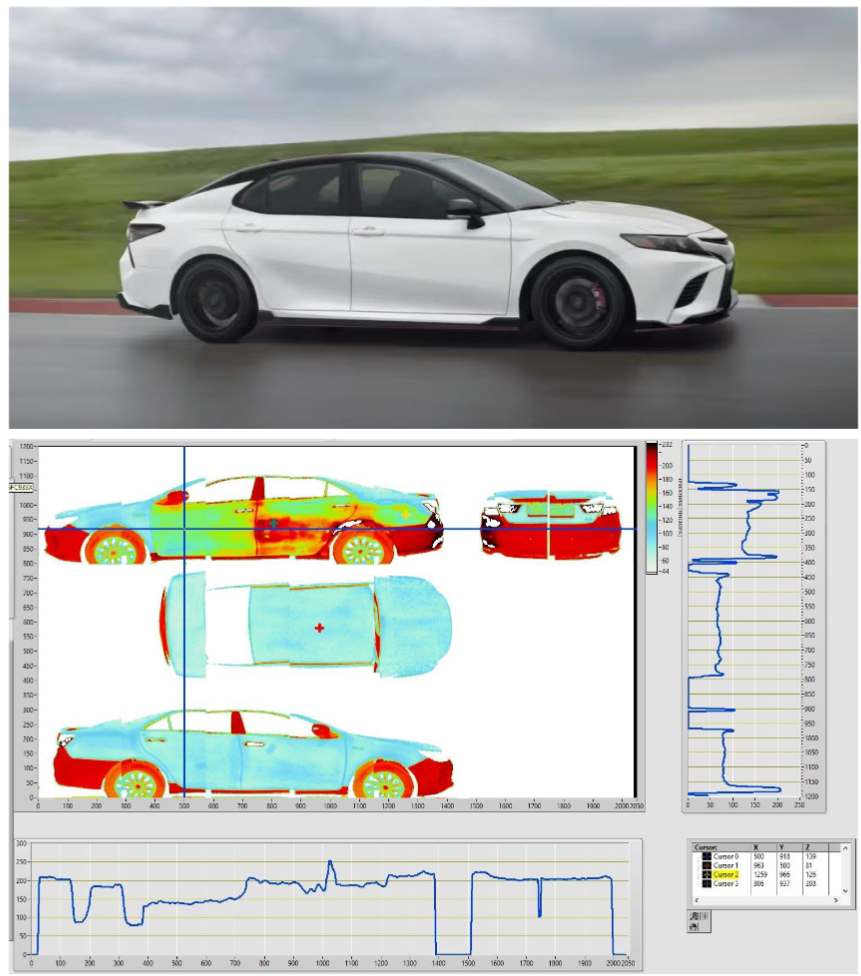
Report / CarScan
Image data becomes a clear basis for discussion.
A CarScan report combines vehicle data, thermographic images and finding notes in clear, traceable documentation. The illustration shows a vehicle view with the corresponding thermographic evaluation.
Open sample report (German)Applications
For assessors. For sellers. For better decisions.
CarScan brings structure to questions that are otherwise often answered only through assumptions.
Assessors
Image-based addition to existing inspection and evaluation methods.
Vehicle sellers
More transparency when handing over or selling a vehicle and when discussing its condition with customers.
Decision-makers
Structured images make specific questions easier to assess.
Private buyers and sellers
For buyers who want to check a vehicle's actual condition before purchase. A report can support price negotiations or help avoid a vehicle with extensive repairs. For private sellers, clear evidence can make a well-maintained vehicle easier to sell.
Car dealers
Full disclosure and transparency strengthen the dealer's brand. CarScan helps document trade-ins, determine condition and value, address questions from cautious customers and suppliers, and protect a good reputation in consignment sales.
Insurance companies
Detect fraud and assess repair quality after damage. High-value or rare vehicles can also be inspected preventively before insurance is arranged.
Leasing companies
Fully inspect and assess possible damage on returned or traded-in vehicles.
The goal is not technology for its own sake, but a reliable basis for discussion.
Partner network
For assessors. For vehicle sellers. For local access.
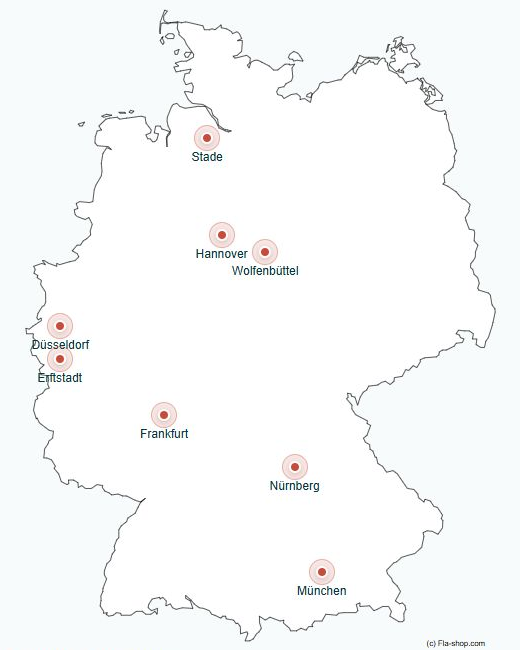
CarScan devices are used by various partners and vehicle assessors. Services can be booked regionally. Availability, scope and prices are agreed directly with the local partner.








AnkaraBaghdadSingaporeSeoulViennaTampa

LOCAL PARTNERS
Nationwide and worldwide
Ask your vehicle assessor about a CarScan partner near you.
Technology / CarScan
Technical annex: technology at a glance.
Technical status: 09/2026. Guide values; confirm the exact equipment version, inspection area and measurement scope before commissioning.
Scanner
Notebook: Lenovo V320. Camera: IR camera. Software: CarScan. Dimensions: 800 x 800 x 1300 (2200) W x D x H. Weight: approx. 40 kg (100 kg). Motion control: stepper motor.
Generator and light systems
Power connection: 230 - 240 V / 10 A, 50 Hz. Flash power: 6000 Ws (factory setting 990 VDC). Flash voltage: max. 1000 VDC. Fuse: 10 A. Charging time: 6000 Ws, approx. 15 seconds. Housing dimensions: 580 x 380 x 250 W x D x H. Weight: 23 kg.
Flash and halogen system
Flash system: 1 x 6000 W, 230 V, weight approx. 4 kg. Halogen system: 2 x 1500 W, 230 V, weight approx. 2 kg.
IR camera
Optical resolution: 382 x 288 pixels. System accuracy: ±2 °C or ±2%, whichever is greater. PC interfaces: USB 2.0. Ambient temperature: 0 ... 70 °C. Storage temperature: -40 ... 85 °C. Relative humidity: 20 - 80%, non-condensing. Housing protection rating: IP 67 (NEMA 4). Shock / vibration: IEC 60068-2. Power supply: via USB.
Digital modules and drive
Bidirectional, 55 ns. BNC connectivity. Individually configurable channel directions. One-slot bus-powered USB module. Multi-axis control. Power supply: 24/48 VDC. Protocol: Modbus RTU. Network converter. USB specification: USB 2.0 Hi-Speed.
Environment and safety
Ambient temperature: 0 ~ 40 °C (32 ~ 104 °F), frost-free. Ambient humidity: 85% or less, non-condensing. Protection rating: motor IP66; gear head IP54. Indoor use only. Safety and compatibility: CE, EMC directives and RoHS.
Standards and compliance
The brochure lists IEC 61010-1, EN 61010-1, EN 60079-0:2012, EN 60079-15:2010, IEC 60079-0, IEC 60079-15 and the European directives 2014/35/EU, 2014/30/EU and 2014/34/EU. For UL and other safety certifications, the product label and Declaration of Conformity are authoritative.
FAQ / inspection, technology and evaluation
Technology explained clearly.
Here you will find the key answers about CarScan use, process, technology and significance. They complement the technical information in the brochure.
01What is CarScan?+
CarScan is an image-based inspection method based on active thermography. Light sources briefly stimulate the vehicle surface; an infrared camera then records how heat spreads and equalises. This makes differences in paint build-up and paint thickness visible. An algorithm processes the infrared data and calculates a colour-coded image representing paint thickness.
02What irregularities can CarScan reveal?+
The images can provide indications of repainting, filler and repair areas, replaced or restored components, and different materials or substrates. Pulse thermography with a flash is sensitive to paint thicknesses up to 800 micrometres; long-pulse thermography with halogen lamps covers approximately 500 to 4,000 micrometres and can look deeper into the material.
03Is the inspection contact-free and non-destructive?+
Yes. The measurement is made without contact with the bodywork and without mechanical impact on the paint. Light and heat pulses are used for stimulation - not X-rays or ultrasound. The specified protective measures must be followed.
04Do I need to prepare the vehicle before the inspection?+
Special cleaning, heating or cooling is generally not required. What matters is safe positioning, sufficient access to the areas to be scanned and suitable measurement conditions. The vehicle should be clean and dry.
05Which vehicles and materials is CarScan suitable for?+
CarScan can be used on modern vehicles, used cars, sports cars, special vehicles and classic vehicles. Depending on the build-up, steel, aluminium, GRP and CFRP can be examined. Wrapped surfaces can also be scanned; significance depends on the surface and its layer structure.
06How does an inspection generally work?+
The vehicle is positioned on a surface that is as level as possible. The scanner is guided next to the vehicle - manually using floor markings or automatically with a rail system. The surface is usually stimulated and captured by the IR camera in sections about 1 m wide. The individual measurements are then combined into clear image documentation and evaluated.
07Why are flash and halogen systems used?+
The two stimulation methods complement each other. The flash system creates a short, intense heat pulse, while the halogen system stimulates for longer and more continuously. This helps capture different layer structures and thermal reactions. A flash measurement takes only a few seconds; a halogen measurement takes more than 30 seconds.
08Which scanner variants are available?+
In addition to a tripod system, three variants are available: the fully automated 3D scanner, which scans a vehicle at the push of a button in about seven minutes; the semi-automated ECO PRO scanner, with an inspection time of about 20 minutes; and the ECO scanner, also with an inspection time of about 20 minutes. All devices use the same evaluation principle.
09Which areas of a vehicle can be inspected?+
The vehicle sides are typically examined. Depending on the system and build-up, the front and rear areas, roof and bonnet can also be included. The ECO scanner is not designed for horizontal scans such as the roof or bonnet. Individual areas can also be examined; their size is approximately 1 m x 1.6 m.
10What does the evaluation or report contain?+
The documentation can contain vehicle data, thermographic images, marked irregularities and expert finding notes. Curves or supplementary information help classify individual zones. The report provides a traceable basis for further vehicle assessment.
11Does CarScan replace a conventional paint-thickness gauge?+
No. A paint-thickness gauge provides point readings; CarScan maps thermal differences across larger areas. The two methods complement each other. The evaluation image shows the assessor where to take a closer reading with a paint-thickness gauge. The values calculated by the system are reference indications, not calibrated readings.
12How long does training take and how is it provided?+
Each scanner buyer receives about four hours of training during installation. This covers operation. Learning to evaluate the images takes longer; we support you during the initial phase. Basic review is easy to learn, while interpretation develops with experience. We remain available remotely to help with evaluation and interpretation.
13How much energy does a system use?+
The smaller systems require a 230 V mains connection, preferably with a slow 16 A fuse. Charging the flash generators usually takes about eight seconds at 12 A. The halogen lamps use 3 or 2 kW with a switching time of 15 seconds per measurement. The large 3D scanner requires 400 V with a 32 A fuse.
14How often does the scanner need servicing?+
The systems are designed to be maintenance-free. An annual inspection is available as a service.
15Who is CarScan particularly useful for?+
CarScan primarily supports assessors, vehicle sellers, insurers and other professional vehicle evaluators. It helps document irregularities systematically, check the plausibility of repair information and base conversations about vehicle condition on traceable images.
16Where can a CarScan inspection take place?+
Inspections are possible at suitable partner locations in Germany and worldwide. Thanks to mobile, demountable solutions, the scanner can in principle also be used at other suitable locations. Confirm availability, setup and local conditions directly with the relevant inspection partner.
17What does an inspection cost?+
Prices depend on the vehicle, accessibility, scan variant, scope and requested documentation. Basic inspections start at EUR 100 and complex inspections go up to EUR 400. The exact assignment is agreed and priced individually before work begins.
18How long does an inspection take?+
The scan itself can take about seven minutes with the 3D scanner and about 20 minutes with ECO PRO and ECO. Positioning, setup changes, data review and evaluation are added depending on the assignment.
19Is the scanner transportable?+
The ECO scanner can be easily dismantled and transported in an estate car. Assembly and dismantling take approximately 10 minutes; the assembled weight is approximately 50 kg. Transporting an ECO PRO scanner is more difficult. At approximately 120 kg, it is better suited to a van with at least 2.5 m of loading space. Assembly and dismantling take approximately 20 minutes.
20What type of floor do I need?+
The scanners move on relatively small rollers. The floor should be even and free of joints; otherwise the chassis may stall.
21Is the flash light dangerous?+
The light is very intense and can injure the eyes at very close range, under 50 cm. Protective eyewear must therefore be worn for safety reasons.
Contact / responsibility
Direct contact for CarScan.
THETASCAN GMBH
Thyssenstrasse 183a
D - 46535 Dinslaken
Volker Carl
+49 2064 603 512
carl@thetascan.de
www.thetascan.de
www.classic-car-check.com
Become a member of the newly founded association for vehicle thermography:
www.BFTH.info